 Leigh-on-Sea Electrical Services
Guide
Common mistakes with EICRs and how to avoid them
The biggest EICR mistakes are vague scope, poor access and ignoring the results. Here is how to avoid each one.
- Send a short enquiry
- Covering Essex
- EICR and related services
The most common EICR mistakes are booking without agreeing what will be inspected, not giving the electrician proper access, misreading the report and then failing to act on it. Avoid them by using a qualified electrician, preparing the property in advance and treating the report as a to-do list rather than a piece of paperwork. An electrical installation condition report is only useful if it is thorough, understood and followed up.
Treating it as a quick tick-box exercise
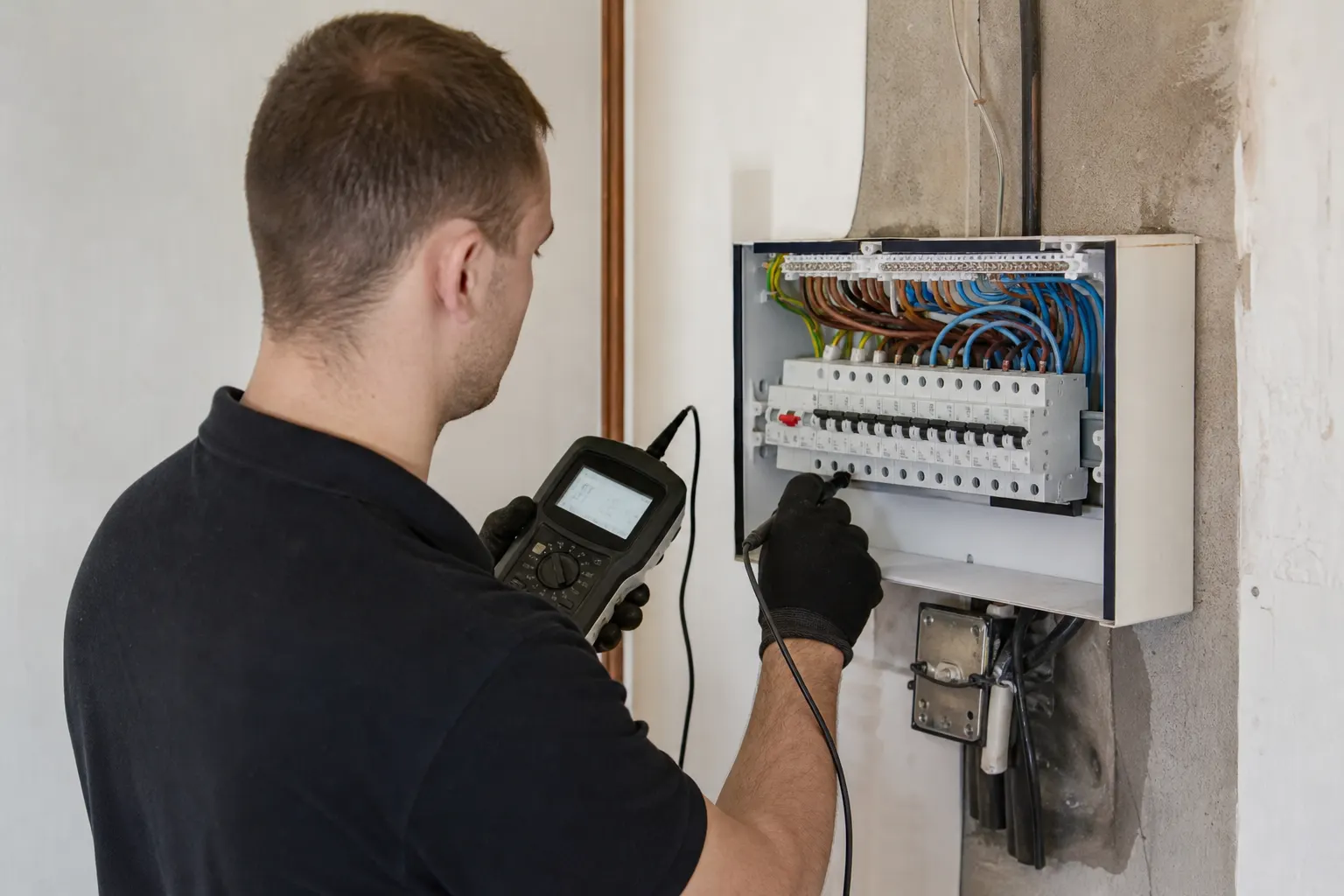
An EICR (electrical installation condition report) is an inspection and test of the fixed electrical system: the wiring, consumer unit, circuits, sockets, switches and earthing. It is not the same as testing your appliances, and it is not the certificate you get after new electrical work.
A common mistake is expecting a quick glance at the fuse board. A proper condition report involves testing the circuits as well as looking at them, which is how hidden faults and wear and tear are found. If someone offers a report that sounds suspiciously fast or light on detail, ask what testing they will carry out.
Not agreeing the scope and the electrician first
Anyone carrying out an EICR should be a qualified electrician with the competence to inspect and test. Ask to see ID and ask which scheme or body they are registered with, then check that yourself if you want reassurance.
Also agree the scope before work starts. Ask whether it covers the whole property, including garages, sheds, outbuildings and external lighting, and whether any areas will be left out. Any limitations should be written on the report. If you have had extensions, new circuits or a replaced consumer unit, tell the electrician and share any earlier paperwork you have.
Poor preparation and access
Many inspections run slowly because the electrician cannot reach what needs testing. Clear the area around the consumer unit, unlock cupboards and outbuildings, and make sure someone can let the electrician into every room. If you are a landlord, give tenants proper notice and explain that the power will need to be switched off for periods.
Plan for the disruption. Computers, fridges, alarms and medical equipment may need a plan for the time the power is off. The more of the installation that cannot be reached, the more limitations appear on the report, and you may need a second visit.
Misreading the result
Reports use observation codes to grade problems. In plain terms: some issues are dangerous now, some are potentially dangerous, some need further investigation, and some are simply recommendations for improvement. An unsatisfactory result usually means at least one item needs attention, not that the whole property is unsafe.
The mistake is skimming to the overall result and filing the report away. Read the observations and ask the electrician to explain each one in plain language: what the risk is, such as electric shocks or overheating, how urgent it is, and what putting it right involves. Do not ignore recommendations just because they are not urgent.
Ignoring remedial work and the paperwork
Getting the report is only half the job. Faults flagged as dangerous or potentially dangerous should be put right promptly, and a landlord who leaves them may fall foul of their legal obligations. Once the work is done, ask for written confirmation that the issues have been dealt with.
Keep the report safe. Landlords, buyers, letting agents and insurers may ask to see it, and the next inspection will be easier with the last report to compare against. Rules on how often inspections are needed and who must have one can change, so check GOV.UK for the current position, especially if you let a property.
Comparing quotes the wrong way
Choosing on the lowest quote alone is a classic error. EICR pricing generally depends on the size of the property, the number of circuits, the type and age of the consumer unit, how easy everything is to reach, and how long the inspection takes. Callout arrangements, time of day and travel can also play a part.
Remedial work is normally separate from the inspection, because nobody knows what is needed until the testing is done. Ask for a written quote that states what is included, whether the whole property is covered, and how any extra work will be priced and agreed before it starts.
Common questions
Is an EICR a legal requirement?
For many landlords in England it is, as part of their legal obligations for rented homes. Homeowners are not generally required to have one, but it is a sensible check, particularly when buying or selling. Rules can change, so check GOV.UK for the current position.
Does an unsatisfactory EICR mean the whole property is unsafe?
Not necessarily. It means at least one issue needs action, such as a potentially dangerous fault. Ask the electrician to explain each observation and which ones need urgent attention.
How long should I keep my EICR?
Keep it for as long as it is the current report, and ideally keep older ones too. Landlords, buyers, agents and insurers may ask for it, and your next electrician can compare results.
What should I do before the electrician arrives?
Clear access to the consumer unit, unlock all rooms and outbuildings, tell tenants about the power being off, and gather any paperwork from previous electrical work.
Useful sources
- NICEIC: The electrical contracting body, with a register to check an electrician.
- GOV.UK: electrical safety standards in the private rented sector: The official guidance for landlords, tenants and councils on electrical safety checks.